
Company
AI should belong to the people who power it.
Quantx is building a different foundation for AI one that starts on your device and connects through a shared mesh of phones, Macs, PCs, and dedicated computers.
Use the network. Help power it.
Why we're building Quantx
AI is becoming part of everyday life. But much of the computing behind it remains concentrated in infrastructure that most people can only rent access to.
We believe there should be another option.
The devices around us already contain computing power. Quantx is exploring how that capacity can support useful AI locally and become part of a wider network when connected.
What Quantx does
Quantx brings chat, search, and task assistance into a focused interface.
Our architecture starts with local processing for supported workloads. Connected devices can provide additional capacity where the task, hardware, and network conditions make that practical.
The goal is to make AI useful across the devices you already use, while reducing dependence on centralized cloud computing.
What we mean by the mesh
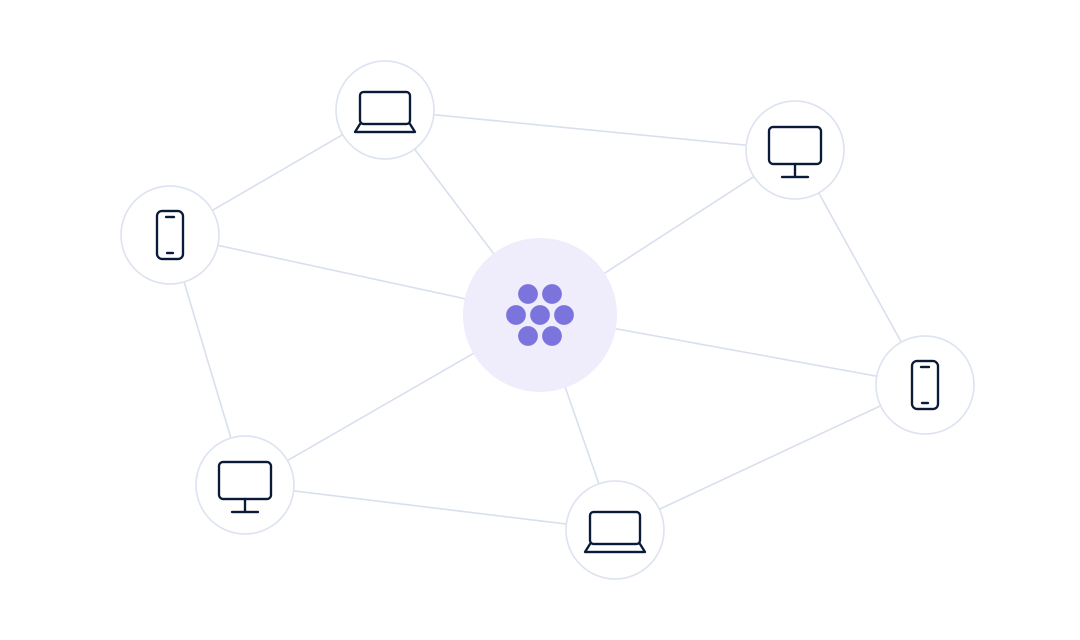
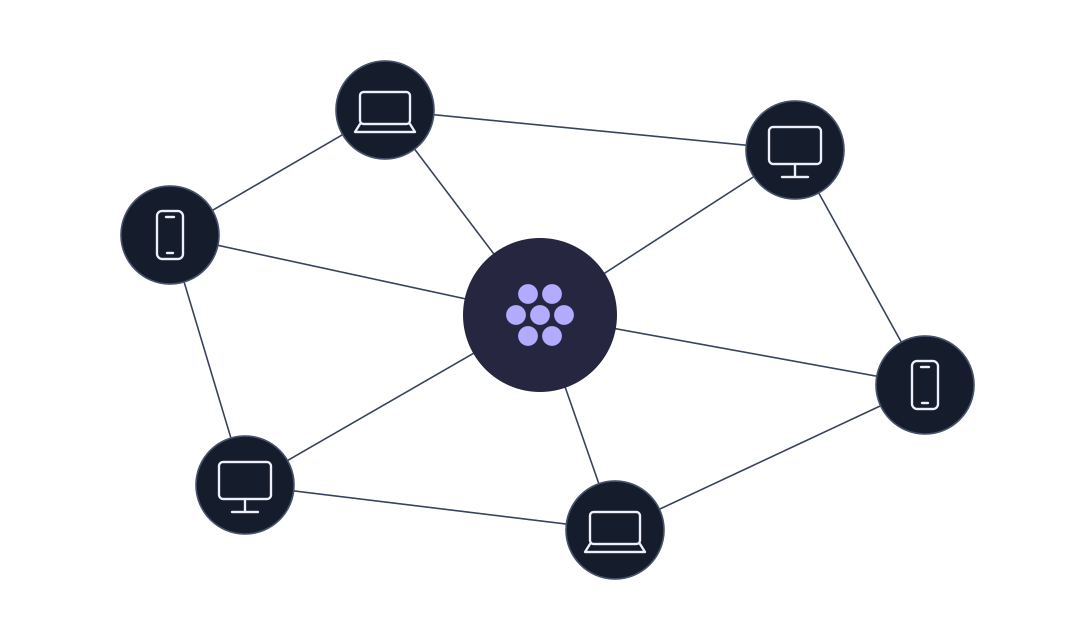
The mesh is a network of participating devices that can make eligible computing capacity available to one another.
Different devices play different roles. Phones provide access on the go and can contribute within their operating limits. Macs and PCs can support sustained workloads. Dedicated hardware can provide more predictable availability.
Participation is part of the Quantx model. That makes clear explanations of resource usage, data handling, and device controls essential to the experience.
One network. Different ways to connect.
Quantx Mobile
Planned for iOS and Android, bringing the Quantx experience to your phone.
Quantx for Mac and Windows
Desktop applications designed for local AI and participation in the mesh.
Quantx Go
Our proposed portable AI computer — a dedicated node you can use at your desk or take with you.
Quantx OS
The proposed software platform behind Go, designed to manage local models, connected devices, and eligible mesh workloads.
The principles behind the product
Start local
Use the owner's hardware where it can perform the task effectively.
Make participation understandable
Explain when devices contribute, which resources they use, and what controls are available.
Be clear about privacy
Distinguish local processing from network processing. Sharing compute requires explicit boundaries around personal data.
Measure the results
Evaluate performance, cost, energy use, and reliability through testing. Publish findings with their assumptions and limitations.
Building in the open, with evidence
Our research examines both the computing system and its environmental implications.
We're investigating where distributed AI can provide an advantage, where centralized infrastructure remains effective, and what a fair comparison needs to include — from network overhead to electricity, water, and hardware manufacturing.
Our ambition is to build a useful alternative and demonstrate where it works.
Help build what comes next.
Explore the apps, follow our research, or register your interest in Quantx Go.